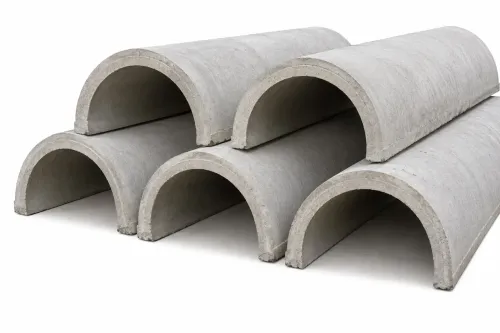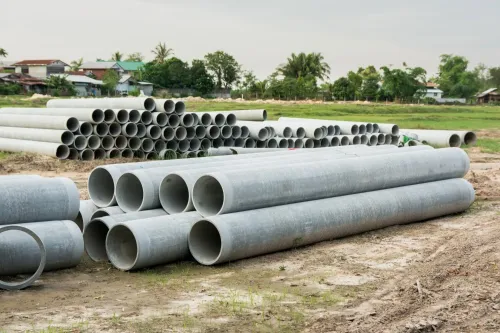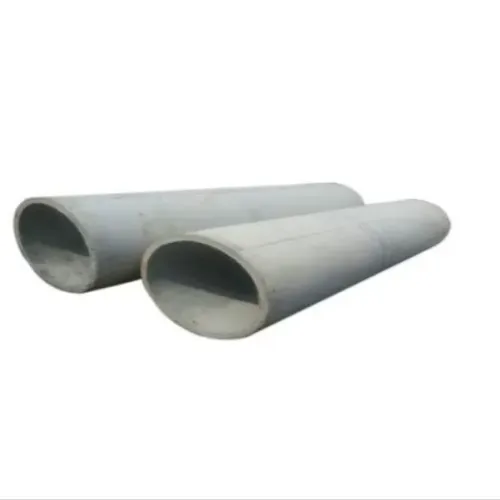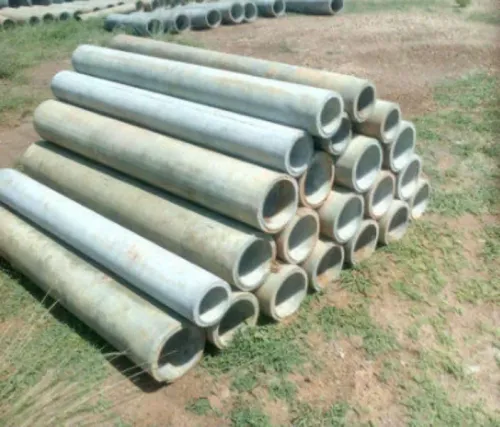
A telecom pipe order can fail before delivery if the route, road authority, pipe dimensions, load class and joint detail remain undefined. By the end, you will have a route-based specification, a purchase-order checklist and an inspection plan for receiving and installing concrete pipe without losing usable duct space.
Key takeaways
- Freeze the approved alignment before calculating pipe quantities.
- Specify diameter, load class, joint detail and installation conditions.
- Put route schedules, tolerances, delivery lots and inspection rules in the purchase order.
- Inspect pipes, joints and route tests before accepting the installation.
1. Freeze the route before requesting quantities
Do not request a quotation from one total route length. Freeze the approved alignment first, then issue a route schedule for the concrete pipe for utility lines.
Confirm these route details before asking for quantities:
1. Record start and end chainage for every chamber-to-chamber run, including termination points, spare ducts and changes in direction.
2. Mark straight runs, bends, crossings and chamber locations on the approved plan. State each required pipe diameter, class and joint type.
3. Complete utility detection and trial pits at crossings and congested sections. Existing water, sewer, gas, electrical and telecom services can change trench depth, width, offset, chamber position or pipe length.
4. Identify the road-owning authority for each section: Nagpur Municipal Corporation, Maharashtra PWD, NHAI, another highway agency, or private and institutional land. Excavation permits, crossing methods, restoration rules and deposits differ between them.
5. Split the order into delivery lots by chainage, access and construction sequence. State the required straight-run length, chamber-to-chamber cuts and expected installation wastage rather than converting route length directly into pieces.
Ask the supplier to quote against effective laid length, not only overall barrel length. Socket or joint engagement reduces the length covered by each pipe, and ignoring it leaves shortfalls at chambers. Keep damaged-piece allowance separate from the calculated installed quantity so you can audit both the approved route and the requested surplus.
2. Convert the telecom design into measurable pipe requirements
A quotation is useful only when the pipe description converts the drawing into checkable numbers. State the nominal internal diameter, wall thickness, overall barrel length, effective laid length after joint engagement, pipe class, joint profile and intended loading condition.
- Calculate quantities from chamber-to-chamber distance divided by effective laid length, then round up for joints, chamber entries and approved specials. Do not divide by the factory barrel length.
- Record the number, outside diameter and minimum bending radius of cables or subducts. Confirm that the internal bore passes the specified mandrel and leaves space for a draw rope without obstructing cable pulling.
- State design cover, trench width, bedding, backfill and compaction requirements, plus whether the route crosses a trafficked carriageway, road shoulder, verge or drainage-adjacent corridor.
- Name IS 458 and the selected pipe class; “spun” alone does not define acceptance. Require the three-edge-bearing or crushing-load test, batch identification and test records, with sampling frequency stated.
- Specify the joint system—plain butt, socket-and-spigot, collar or rubber-ring—and require a joint that does not reduce the usable bore.
- Require clean, continuous passage between chambers, draw-rope provision, water and debris removal, and a post-installation mandrel or continuity test. Agree these before manufacture because end geometry and tolerances can change.
| Measurement | Factory figure | Design figure |
|---|---|---|
| Overall length | Full barrel length | Not used for quantity |
| Laid length | Barrel minus joint engagement | Quantity basis |
| Bore | Nominal internal diameter | Cable and subduct capacity |
| Loading | IS 458 class and test load | Cover, road class and installation detail |
3. Choose the pipe system, load class and joint detail
Concrete spun pipe for telecom in Nagpur suits buried cable routes that need rigid mechanical protection, especially road crossings, service corridors, drainage-adjacent alignments and chamber-to-chamber runs. Select the load class from burial depth, traffic surcharge, trench width, bedding and side support—not from cable diameter alone.
IS 458 identifies non-pressure reinforced-concrete pipe classes NP1, NP2, NP3 and NP4; the word “spun” does not replace the required class.
Before comparing materials, fix these details:
- State nominal internal diameter, wall thickness, design cover, road class and reinstatement condition.
- Calculate quantities from effective laid length after joint engagement, not the overall barrel length.
- Specify the joint: plain butt, socket-and-spigot, collar or rubber-ring. Do not leave joint material to site selection.
- Match the geometry and installation assumptions to IS 783, including bedding, alignment, jointing and backfilling.
| Option | Strength and installation implication | When it applies |
|---|---|---|
| Concrete spun pipe | Rigid protection; needs excavation, lifting and designed bedding | Deep burial, road crossings and high external-load routes |
| RCC pipe | Similar rigid protection; compare class, dimensions and joint profile | When an approved RCC specification is already established |
| HDPE duct | Flexible, lightweight and continuous; needs controlled pulling and thermal management | Long cable runs with limited lifting access |
| uPVC duct | Light and smooth; vulnerable to crushing and brittle handling | Shallow, protected routes with stable ground |
| Vitrified clay pipe | Chemically durable but brittle and joint-sensitive | Special corrosive environments |
| Precast box section | Large internal space; larger excavation and lifting demand | Multiple ducts or future capacity where circular pipe is restrictive |
4. Write a purchase order that controls supply and delivery
The purchase order must turn the approved route schedule into an inspection checklist, not merely state “concrete spun pipe.” For a concrete spun pipe order in nagpur, tie every line item to a route section, chamber-to-chamber run, road authority and delivery batch.
1. Identify each route section and its controlling authority: Nagpur Municipal Corporation, Maharashtra PWD, NHAI, another highway agency, or private land. State the permit, excavation, crossing and reinstatement conditions; NMC approval does not cover every road.
2. Specify IS 458, nominal internal diameter, wall thickness, joint profile, overall barrel length and effective laid length as separate values. State the required non-pressure class—NP1, NP2, NP3 or NP4—and link it to burial depth, traffic surcharge, trench width, bedding and side support.
3. Calculate quantity from effective jointed length, not nominal factory length. Show the run length, chamber locations, joint allowance, spare quantity and pipe identification marks required on each piece.
4. Set a delivery hold point before unloading into permanent stock. Check diameter, effective length, wall thickness, class marking, batch or heat identification where applicable, quantity, end condition and test records.
5. Name who provides the truck, crane or lifting gear, unloading labour, stacking ground and edge protection. State maximum stack height and require segregation or rejection of cracks, broken sockets, exposed reinforcement, severe honeycombing or dimensional failure.
Ask Vishal Cement Product to match its quotation to these fields and attach the inspection records; that makes supplied pipe traceable to the approved route rather than accepted by piece count alone.
Related product
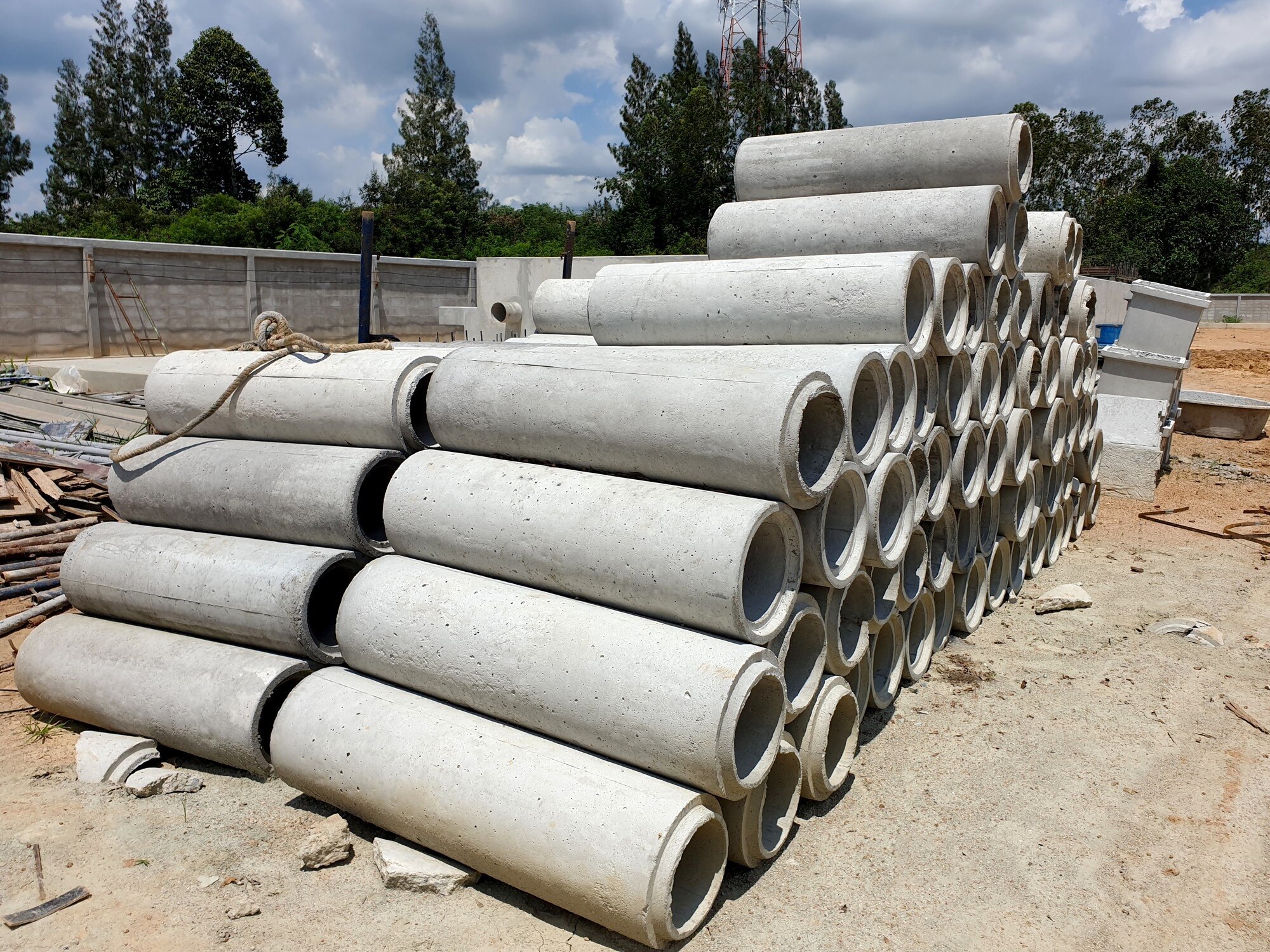
 | Concrete Spun Pipe Material Concrete Usage/Application Drainage Diameter 1200 MM Length 8 feet Shape Round We have been counted amongst the most trusted names in this... View product → |
5. Inspect, joint and test the installed telecom route
Do not accept a delivery by piece count alone. For concrete spun pipe telecom projects, hold unloading until you verify each lot against the route schedule, approved class, dimensions and accompanying test records.
1. Check the nominal internal diameter, effective length, wall thickness, class marking, end condition and quantity. Record batch identification where supplied, reject cracked or badly chipped ends, and quarantine pieces with missing markings.
2. Confirm the trench, bedding, side support, design cover and compaction before lowering pipe. Under a trafficked road, the approved road class and reinstatement detail matter; stronger concrete does not correct poor trench support.
3. Lay pipes to line and level, keeping joints clean and fully seated. Use the specified joint profile and seal. A joint that projects into the bore can damage a cable or stop a subduct.
4. Clean the complete chamber-to-chamber run, remove slurry and stones, and install a draw rope through every continuous duct. Verify continuity across crossings, bends, chambers and termination points.
5. Pull a calibrated mandrel through the full bore, using the approved diameter for the cable or subduct arrangement. Stop and repair any obstruction, displaced joint or reduced section before testing again.
Keep the signed inspection sheet, mandrel result, cleaning record, photographs and as-built chainages with the handover. Agree the mandrel size, draw-rope provision, cleaning method and joint-clearance test before manufacture, because these requirements can change pipe ends and joint tolerances.
Concrete pipe for utility lines is proven only when the installed route—not just the delivered product—passes these checks.
Frequently asked questions
Why must you freeze the telecom route before requesting pipe quantities?
An approved alignment fixes route length, bends, crossings, chambers and pipe quantities, preventing estimates based on one total length.
What measurements belong in a concrete pipe requirement schedule?
List chainage, pipe diameter, lengths, joint locations, crossings, chambers, bends, spare sections and delivery lots.
How do you choose the pipe system and load class for a telecom route?
Match pipe diameter and joint detail to the cable arrangement, burial depth, groundwater, traffic loading and crossing conditions.
What should a telecom concrete spun pipe purchase order control?
State quantities by route section, dimensions, load class, tolerances, joint materials, inspection documents, delivery sequence and rejection rules.
How do you inspect and test an installed concrete telecom pipe route?
Check pipes and joints for damage, verify line and level, confirm mandrel or duct clearance, and record route and chamber tests before acceptance.
Keywords